MISE: Sustainability and Circular Economy

From sustainable raw material sourcing and product design to sustainable manufacturing, circular business models and end-of-life product recovery systems: we support companies that are reinventing products, processes and technologies leading to a lower-carbon future. Digital technologies in particular play a critical role in enabling restorative industrial production systems.

Our focus topics

By combining scientific methods with practical business applications, we empower organizations to reduce their environmental footprint, enhance resource efficiency, regenerate nature, and ultimately transition towards truly circular business models of production and consumption. Whether you are a startup looking to embed sustainability from the ground up or an established organization aiming to transform your operations, our lab offers tailored solutions to help you navigate the challenges and opportunities of the circular economy.
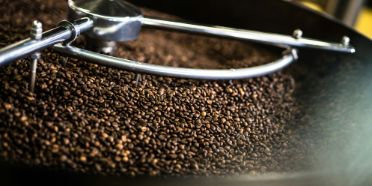
We support organizations in quantifying the environmental impacts of their products or processes across their entire lifecycle. Associated impacts go beyond carbon, encompassing a comprehensive range of environmental factors including other greenhouse gases, water consumption, land use, and waste generation. These insights allow decision makers to compare different design options or production processes to select the most environmentally friendly alternatives.

Life Cycle Assessment for Belém Café

Value chain (Scope 3) emissions often account for the majority of a company's total carbon footprint, typically over 80%. By gaining visibility into these emissions, companies can identify the most significant sources and opportunities for reductions across their entire value chain. Carbon insights enable more meaningful engagement with stakeholders, showcase opportunities for operational efficiency, and help companies anticipate and prepare for climate-related risks.

Digital solutions play a crucial role in enabling and accelerating the transition to a circular economy. Digital technologies like IoT sensors, AI, and databases allow companies to track materials, products, and assets throughout their lifecycle, monitor resource usage, waste generation, and inefficiencies in real-time, and analyze trends and patterns to optimize resource use and identify circular opportunities.

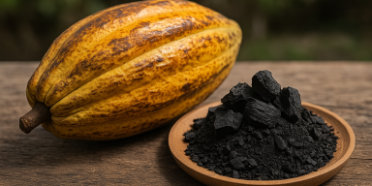
This approach aims to extract maximum value from materials that would otherwise be discarded, reducing environmental impact while creating economic and social benefits. Key valorization opportunities include resource recovery, energy generation, new product development, nutrient recycling in biological systems, chemical feedstocks, and many more.

Publications

The Certificate in Sustainability and Circularity provides in-depth knowledge and practical skills to implement circular strategies, drive sustainable innovation, and contribute to a resource-efficient future, combining theory and practice in a 12-ECTS portfolio-based program that can be credited toward further studies.